
MicroLaserPeel treats skin conditions associated with aging and active life styles. MicroLaserPeel is the ideal treatment for those patients that want improved skin with immediate lasting results, little time off, discomfort, or post-treatment care. *
Why Profile ContourTM?
Sciton Contour – 2940 Er:Yag is the most versatile system available for MicroLaserPeel and full resurfacing. Profile’s unique technology allows you to select precise levels of ablation and coagulation, while the computer guided scanner ensures maximum precision and treatment uniformity. User selectable depth, rate, and scan pattern make Sciton’s MicroLaserPeel simple, safe, and reproducible.
Does this sound like you?
“I’ ve always been active. Years ago I was unaware of the effects of sun and wind on my skin. Although I don’t feel as old as I sometimes look I’m not ready for surgery or a long recovery process, but I’d love to look as young as I feel!” The “weekend” skin peel, the MicroLaserPeel, treats skin conditions associated with aging and an active lifestyle. You can see real improvements in just a few days.
What is the MicroLaserPeel?
It is a minimal to full epidermal laser peel that precisely removes the outermost layers of the skin. The procedure is individually tailored to the nature of the problem to be corrected: wrinkles, scars, keratoses,or pigmentation problems.
Who should consider a MicroLaserPeel?
The patient looking for better results than microdermabrasion or light chemical peels can offer, yet, still has little time for the healing process.
How is the MicroLaserPeel different from Microdermabrasion?
Generally, microdermabrasion only removes the outer layer (stratum corneum, 10-15 microns) of the skin. Patients may become dissatisfied when the perceived results do not equal expense and the number of procedures required.
The MicroLaserPeel is a minimal to full epidermal peel (20-50 microns). Because this procedure goes deeper into the epidermis, it is the perfect step between microdermabrasion and deeper peels.
How often does a MicroLaserPeel need to be done?
One procedure could be sufficient for at least 6 to12 months, but additional procedures can be performed as required. A package of three to four treatments may be best for you. Your physician will determine what is necessary.
What can the patient expect?
Smoother, healthier more vibrant skin. You will notice a significant and immediate change in skin texture and tightness when compared to microdermabrasion.
What type anesthesia is used?
A topical anesthetic is applied thirty to 45 minutes before the procedure.Micro Peel can also be performed under sedation or anesthesia during other cosmetic procedures.
Do I have to wear any type of dressing or bandage after the procedure?
No! Your physician will prescribe an ointment such as Aquafore or Vaseline. This is used as a barrier to keep the air away from your skin while you grow new epithelium. You will probably use it for one to two days. After that, a moisturizer can be used.
How long is the healing process?
The healing process varies from patient to patient but will generally take from two to four days. The procedure can be performed on Thursday or Friday and you can return to work the following Monday. Immediately following the procedure you will feel as if you have a bad sunburn. You will have minor sloughing and itchiness the following day. By day two, redness will begin to fade and by day three any redness can be easily covered by makeup.
Micro Laser Peel TM – Before & After Pictures *
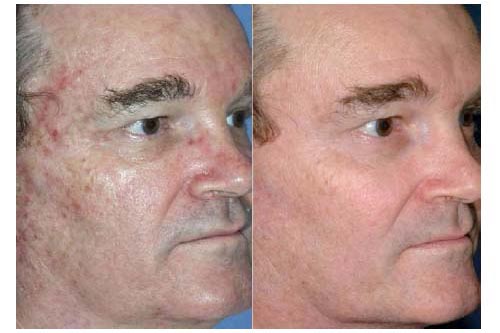
*Individual results may vary and there are no guarantees that you will experience the same results as those mentioned here.
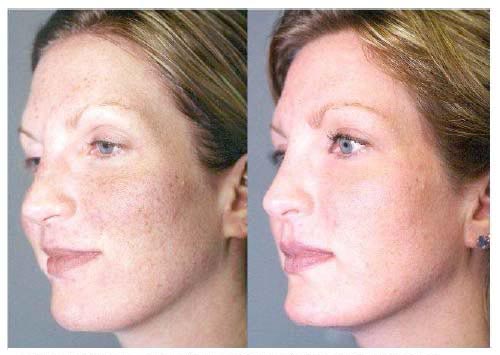
*Individual results may vary and there are no guarantees that you will experience the same results as those mentioned here.
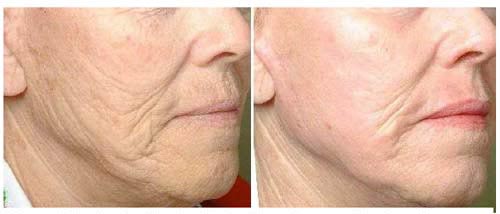
*Individual results may vary and there are no guarantees that you will experience the same results as those mentioned here.
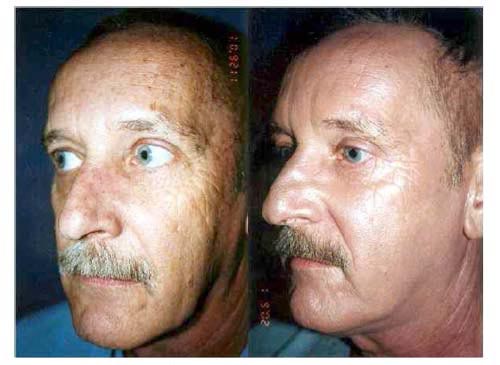
*Individual results may vary and there are no guarantees that you will experience the same results as those mentioned here.
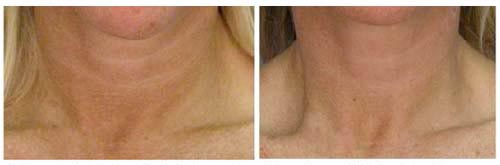
*Individual results may vary and there are no guarantees that you will experience the same results as those mentioned here.
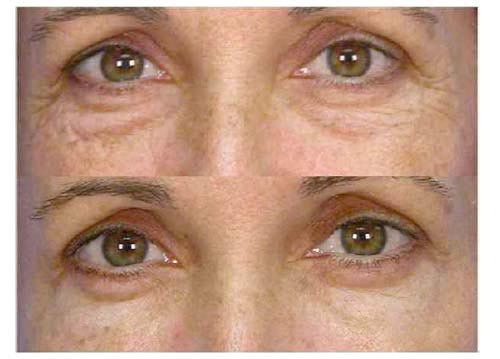
*Individual results may vary and there are no guarantees that you will experience the same results as those mentioned here.
*Individual results may vary and there are no guarantees that you will experience the same results as those mentioned here.

Social media: